

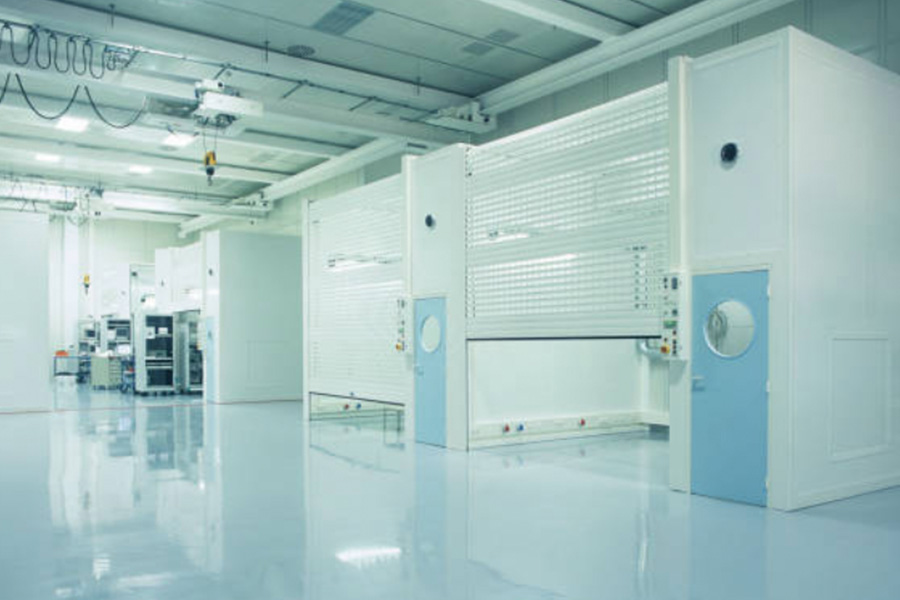
China’s cold storage industry is a fascinating beast. I’ve spent a lot of time around construction sites and refrigeration units, and one thing that always strikes me is how the local approach to engineering can make or break a project. When I think about building a food cold storage facility here, it’s not just about slapping up some insulated panels and hoping the compressor works. It’s about tailoring every detail to the specific climate, regulations, and supply chain quirks you find in China. That’s why I find the concept of “China Focused Engineering for Your Food Cold Storage Construction Project” so compelling. It’s not a one-size-fits-all deal. For anyone looking to get a reliable facility up and running, turning to a solid China cold storage solution provider is often the smartest first step. They understand the local logistics, the available materials, and the building codes that can trip up foreign investors. Look at the team at coldstorageinchina.com—they’ve nailed this focus. They don’t just sell boxes, they engineer solutions that actually work in Shanghai’s humidity or Beijing’s winter air.
Now, let’s talk about a specific type of storage that’s been gaining serious traction here: Controlled Atmosphere Storage Solutions. This isn’t your average walk-in cooler. It’s a high-tech approach where you carefully reduce oxygen levels, adjust carbon dioxide, and manage humidity to keep fruits and vegetables fresher for months longer than standard refrigeration allows. I’ve seen apples from Shandong province stored in near-perfect condition for over a year using these methods. That’s a game-changer for exporters and local distributors alike. A China cold storage solution provider that offers controlled atmosphere technology brings a massive edge to your construction project. Instead of building a simple concrete box and hoping your produce survives the long wait, you design a space where sensors and gas control systems become the backbone of the operation. I’ve walked through facilities retrofitted with these systems, and the attention to pressure sealing and air tightness is incredible. Every seam matters. If I were planning a new facility today, I would push hard for China Focused Engineering to integrate Controlled Atmosphere Storage Solutions right from the blueprint stage.
What really sets the Chinese approach apart is the engineering mindset. There’s a flexibility here that you don’t always see in other markets. A China cold storage solution provider often works with local contractors who have decades of experience in humid subtropical environments or arid northern plains. They know exactly what insulation R-value works for each region, and they can source components like evaporator coils or floor heating cables without months of shipping delays. For a food cold storage construction project, that local knowledge translates into faster builds and fewer headaches during commissioning. I recall visiting a facility near Zhengzhou where the team had to deal with high groundwater levels. Instead of importing expensive European drainage systems, the China cold storage solution provider used a clever combination of local gravel beds and specially coated concrete slabs. The result was just as effective, but at a fraction of the cost. That’s the kind of practical innovation you get when the engineering is truly focused on local realities.
Let’s get into the nuts and bolts of Controlled Atmosphere Storage Solutions. The science behind it is simple but elegant. You seal the room so tightly that the only air exchange is through automated vents. Then nitrogen generators flush out oxygen, and scrubbers remove ethylene gas that accelerates ripening. For a China cold storage solution provider, building these rooms requires precise welding of steel panels and meticulous testing for leaks. I’ve seen tests where they pressurize the room to 250 pascals and watch the pressure decay rate like a hawk. If it drops too fast, they find every crack. That level of detail is crucial because a poorly sealed controlled atmosphere room is just an expensive refrigerator. When you’re planning your food cold storage construction project, insisting on this kind of engineering excellence ensures your avocados or kiwis stay firm and flavorful for months. The payoff? You can hold your inventory until market prices peak, instead of selling at harvest when everyone else is flooding the market.
Another angle to consider is energy efficiency. China has strict environmental targets now, and a modern China cold storage solution provider is always thinking about power consumption. Controlled Atmosphere Storage Solutions actually help here because the reduced oxygen levels slow down respiration in stored produce, which means the refrigeration system doesn’t have to work as hard to remove heat. I’ve been in facilities where the combination of variable frequency drives on compressors and smart gas control cut energy bills by 20-30{2de10a3108df31b2e4a273c4d46417f1b361281baa3b8bcbff6102cd913dc94b} compared to traditional cold storage. That’s not pocket change. For your food cold storage construction project, specifying these energy-smart designs from the start is a no-brainer. A China cold storage solution provider like coldstorageinchina.com often offers simulation models that predict your operating costs based on your specific crop and climate data. I think that’s invaluable—you’re not just building a box, you’re building a profit center. The upfront investment in controlled atmosphere technology is higher, but the long-term savings and product quality gains more than justify it.
Let’s talk about the design process itself. A successful food cold storage construction project in China almost always involves multiple site visits and close collaboration with local engineers. When I spoke with a project manager at a major China cold storage solution provider, she explained how they start by analyzing the client’s harvest calendar and target markets. If you’re storing garlic for export to Southeast Asia, for example, the storage conditions and gas mixtures are totally different than for storing pears for local supermarkets. Controlled Atmosphere Storage Solutions require that kind of specificity. You might need separate rooms for different crops, each with its own oxygen and humidity setpoints. That means the building layout must account for access corridors, load-bearing floors for heavy bins, and adequate spacing for forklifts during peak season. A China cold storage solution provider with deep local experience will map out traffic flow to prevent bottlenecks. I’ve seen facilities where the receiving dock, grading area, and storage rooms are all aligned perfectly, reducing handling time and bruising. That’s smart engineering, not just cold boxes.
Now, I can’t stress enough how important the construction materials are. In China, you have a massive range of insulated panel suppliers, from ultra-cheap foam boards to high-end polyurethane panels with stainless steel facings. A reputable China cold storage solution provider steers you toward the right balance of cost and performance. For Controlled Atmosphere Storage Solutions, you need panels that are not just insulated but also highly gas-impermeable. Metal skins with a tight polyurethane core and special gaskets between joints are standard. I visited a facility where they used double-gasket seals on every door and put vapor barriers on the floor to prevent moisture migration. That’s the kind of detail that makes a food cold storage construction project deliver consistent results year after year. The engineering team also plans for future expansion. Maybe you start with two controlled atmosphere rooms today, but you want the ability to add four more next year. A China cold storage solution provider designs the concrete pad and utility connections so that expansion is seamless. That foresight saves you tearing up floors later.
One more point about technology: remote monitoring is huge in China right now. A China cold storage solution provider often integrates IoT sensors that send real-time data on temperature, oxygen, CO2, and humidity straight to your phone or computer. For Controlled Atmosphere Storage Solutions, this is a lifesaver. If a nitrogen generator starts drifting off spec, you get an alert before your entire batch of peaches starts softening. I’ve seen systems where the facility manager can adjust gas concentrations from a café downtown. That kind of control gives you peace of mind and protects your investment. When you’re writing about China Focused Engineering, this is a perfect example of adapting global best practices to local conditions. Chinese providers are incredibly competitive on pricing for these smart systems because the component supply chain is strong here. You get world-class monitoring without the Silicon Valley price tag.
Finally, I want to emphasize the human element. No matter how good the hardware is, a food cold storage construction project only succeeds if the team knows how to commission and maintain it. A China cold storage solution provider like coldstorageinchina.com trains local technicians who understand the nuances of Controlled Atmosphere Storage Solutions. They teach them how to calibrate gas sensors, replace scrubber media, and troubleshoot compressor faults in the middle of summer when it’s sweltering outside. I’ve met these technicians at industry events in Guangzhou, and they’re passionate about their work. They take pride in seeing a facility run smoothly through a full season. For your article, this is the cherry on top: the engineering is focused, the technology is precise, and the people are committed. When you bring all that together, you get a cold storage facility that doesn’t just store food—it elevates your entire supply chain. That’s the real value of going with a China cold storage solution provider and investing in Controlled Atmosphere Storage Solutions. It’s not just about building, it’s about engineering for long-term success.