

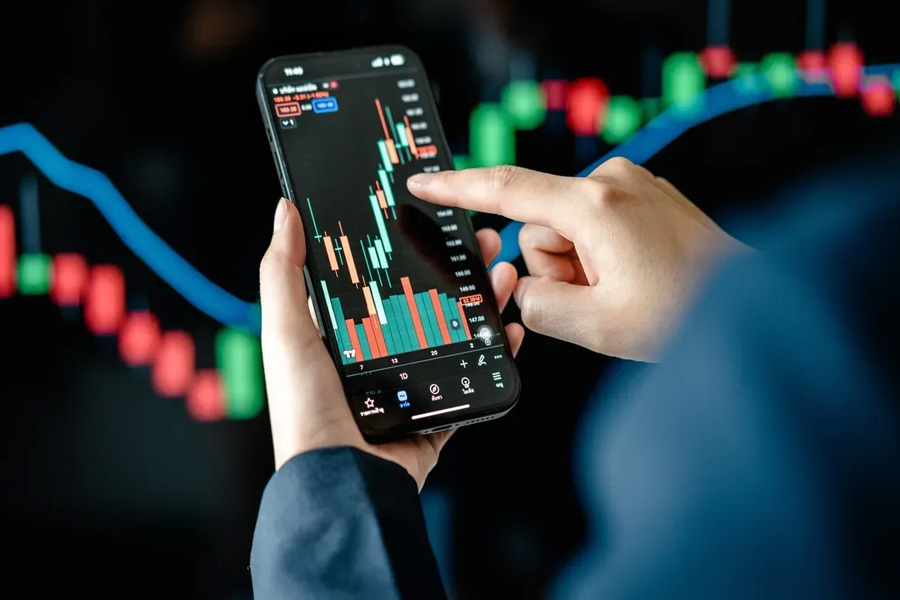
Trading Apps have changed the way investors and traders access market information, place orders, monitor holdings and manage financial activity from mobile devices. The convenience can be valuable, but choosing an app should involve more than checking whether the interface looks modern or whether account opening is quick.
A useful trading app should combine clear navigation, reliable execution, transparent charges, account security and easy access to relevant portfolio information. Different users may prioritise different features depending on whether they invest for the long term, trade actively or simply monitor the market occasionally.
Start With the Core Purpose of the App
Before comparing Trading Apps, users should first decide what they expect to do through the platform. Someone focused mainly on long-term investing may value portfolio tracking and research, while a more active trader may pay greater attention to charts, order types and execution.
This distinction can prevent users from choosing an app simply because it offers the largest number of features. Extra tools are useful only when they match the user’s actual market activity.
A clear purpose also makes comparison easier because the most relevant features can be prioritised first.
Check Whether the Interface Is Easy to Navigate
A trading platform should make common actions easy to locate. Searching for securities, checking holdings, reviewing orders and accessing account information should not require unnecessary steps.
A cluttered interface can create confusion, especially during fast market conditions. Users should be able to understand where important information is displayed and how to move between research, watchlists, orders and portfolio sections.
For beginners, simplicity can be more valuable than an interface filled with advanced tools that are rarely used.
Review Order Placement Carefully
The order-entry process is one of the most important parts of any trading platform. Users should be able to review the security, quantity, price and order type before confirming a transaction.
A clear confirmation flow can reduce mistakes such as entering the wrong quantity or placing an order in the wrong instrument. Users should also understand the difference between commonly available order types before using them.
The app should make it easy to review open, completed and cancelled orders without confusion.
Compare the Available Market Information
Different Trading Apps may provide different levels of market data. Users may have access to price charts, company information, market depth, financial ratios, news or screeners depending on the platform.
The key is not to select the app with the most data, but to choose one that presents useful information clearly. Too much data without proper organisation can make research harder rather than easier.
Long-term investors and short-term traders may also need very different information from the same platform.
Evaluate Research and Discovery Tools
Research tools can help users discover companies, sectors or investment themes, but they should support independent decision-making rather than replace it. Screeners, watchlists and company information can be useful starting points.
Users should still understand why a security is being considered before taking action. A recommendation, trending list or popular-stock section should not automatically become the reason for an investment.
The best research tools are those that make information easier to analyse without creating pressure to transact.
Look at Portfolio Monitoring Features
A well-designed trading app should help users understand what they currently own. Holdings, invested value, current value and transaction history should be easy to review.
Portfolio information becomes especially important as the number of securities increases. Users should be able to see whether exposure is concentrated in one stock, sector or investment category.
Clear portfolio visibility can support better review decisions and reduce the need to maintain separate records for basic monitoring.
Keep Investing and Trading Goals Separate
A single app may provide access to several market activities, but the user should still distinguish between long-term Investing and shorter-term trading decisions.
Long-term investing may focus more on business quality, diversification and financial goals, while active trading may rely more heavily on price movement, entry levels and risk controls.
Keeping these approaches separate can help users avoid turning a long-term holding into an unplanned short-term trade simply because prices are moving quickly.
The platform may support both activities, but the decision framework should remain different for each one.
Compare Charges Beyond the Headline Brokerage
Cost can affect the overall trading experience, especially for users who transact frequently. Users should review the complete fee structure rather than focusing only on one advertised brokerage rate.
Depending on the platform and activity, relevant costs may include:
- Brokerage
- Account maintenance charges
- Depository-related charges
- Transaction charges
- Statutory levies
- Other applicable service fees
The exact structure can vary, so users should understand when each cost applies before increasing trading activity.
Check Whether the App Provides Useful Watchlists
Watchlists help users organise securities they want to monitor without immediately buying or selling them. A good watchlist should make it easy to group instruments and review important price information.
This can be useful for separating different market interests, such as long-term ideas, sector-specific stocks or short-term opportunities.
A watchlist should support observation and research rather than encourage constant trading simply because prices are visible.
Evaluate Charting Features Based on Actual Need
Advanced charts can be useful for active market participants, but not every user needs complex technical tools. Long-term investors may only require basic price history, while traders may look for indicators, multiple timeframes, and drawing tools.
Users should choose charting functionality based on their own strategy. More indicators do not automatically improve decision quality.
The platform should make relevant information easy to read without creating unnecessary visual complexity.
Review App Reliability During Market Hours
Reliability can become critical during periods of high market activity. Users should be able to access the platform, view orders and monitor positions without repeated interruptions.
No digital platform can guarantee that technical issues will never occur, but users should understand what alternative support or access options are available if the app becomes unavailable.
For active traders, reliability may be more important than many secondary features.
Pay Close Attention to Security
Trading Apps can contain sensitive financial and personal information. Users should therefore review the security controls available through the platform.
Important practices may include secure login methods, device protection, and official communication channels. Users should never share passwords, OTPs, or authentication credentials with anyone claiming to offer unofficial support.
Apps should also be downloaded only from official sources to reduce the risk of using fraudulent or modified versions.
Check Transaction Alerts and Notifications
Notifications can help users stay aware of order execution, fund movement and account activity. Useful alerts should clearly explain what has happened without creating unnecessary confusion.
Unexpected activity should be reviewed quickly through the official platform. If a user notices an order or account change they did not authorise, they should follow the provider’s official support process.
Alerts work best when they are treated as a security and record-keeping tool rather than general promotional messages.
Review Fund Transfer Convenience
Users should understand how money moves into and out of the trading account. The process should be easy to follow, with clear status information for deposits and withdrawals.
It is also useful to know whether any processing time or applicable charge may apply. Frequent traders may place greater importance on quick access, while occasional investors may prioritise clarity and reliability.
A transparent fund-transfer process can reduce confusion around available balances.
Check the Quality of Reports and Statements
Trading and investment records can become important for personal tracking, tax preparation and portfolio review. The app should make relevant statements and transaction reports reasonably easy to access.
Users may need historical trade details, account statements, or other records later. A platform that keeps these documents organised can reduce administrative effort.
Good reporting becomes more valuable as trading activity grows.
Review Customer Support Before You Need It
Customer support is often ignored until a problem occurs. Users should know how to raise issues related to orders, account access, fund transfers or documents.
Official support options should be easy to locate inside the platform or on the provider’s verified website. Users should avoid relying on contact numbers found through random online posts.
Knowing the correct support process beforehand can save time when an urgent issue occurs.
Avoid Choosing an App Only for Promotional Offers
Introductory offers, rewards or temporary discounts may make one app appear more attractive. These benefits can be useful, but they should not outweigh long-term factors such as usability, charges, security and support.
A promotion may end quickly, while the account could remain in use for years. Users should therefore evaluate the normal experience after the offer period.
The platform should still make sense when promotional benefits are removed.
Match the App to Your Experience Level
Beginners may benefit more from a simple interface, educational material and easy portfolio visibility. Experienced traders may prioritise advanced order types, charting and faster market access.
The right app is therefore not necessarily the same for every user. A platform should fit current needs while leaving enough room for the user’s requirements to evolve.
Choosing based on actual usage is more practical than selecting an app because it appears popular.
Conclusion
Trading Apps should be compared across usability, execution, research, portfolio monitoring, costs, reliability, security and support. The strongest platform is generally the one that makes important actions clear without encouraging users to take unnecessary market risk.
Users who access Stocks through a trading platform should continue to base decisions on research, diversification, and their own risk profile. The app can simplify market access, but disciplined decision-making remains more important than the number of features available.
FAQs
1. What Should Beginners Check First in Trading Apps?
Beginners should first review usability, charges, security, portfolio access and whether the app supports their intended market activity.
2. Are More Features Always Better in a Trading App?
No, extra features are useful only when they match the user’s investment or trading requirements.
3. Why Is Security Important in Trading Apps?
Trading Apps contain sensitive financial information, so secure login, official access, and careful credential protection are essential.
4. Should Traders Compare Brokerage Before Choosing an App?
Yes, but brokerage should be reviewed together with other charges, platform reliability, support and overall usability.
5. Can Trading Apps Guarantee Profitable Market Decisions?
No, Trading Apps provide market access and tools, but investment and trading outcomes remain subject to market risk.